Free Blogging Platform: How to Start a Blog and Publish Articles Online

November 2, 2026 · 4 reads
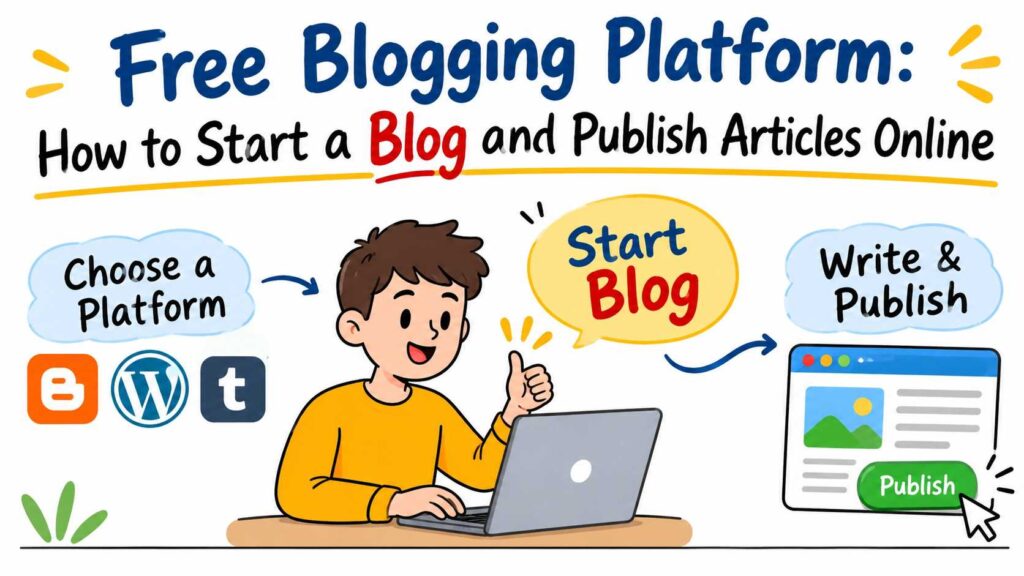
Introduction
Blogging gives people a simple way to share ideas with the world. You can write stories, teach new skills, or share useful knowledge. You can also use a blog to build your professional identity.
However, starting a blog can feel hard for beginners. You may worry about website costs, hosting, design, and technical work. A Free Blogging Platform can make this process much easier.
It gives you a place to write and share articles without buying separate hosting. You can focus on your content instead of managing website systems. Still, each platform offers different tools, rules, and limits.
This guide explains how blogging works and how to start. You will learn how to choose a platform and publish useful content. It also explains how BlogOrbix supports writers, creators, and businesses.
What Is a Free Blogging Platform?
A Free Blogging Platform lets people create and manage blogs without paying for basic hosting. It provides an online space where users can write and share articles.
You do not need to build a website from scratch. The platform handles the basic systems needed to display your content. This makes blogging easier for people with little technical knowledge.
A blogging platform can help you:
- Write articles about topics you enjoy.
- Share stories, tutorials, and personal experiences.
- Publish educational and professional content.
- Create a public space for your ideas.
- Build an online presence over time.
- Connect your writing with interested readers.
How Does It Work?
Most hosted blogging services provide a simple publishing process. You create an account and choose a blog name. Next, you prepare your content and publish it online.
Readers can then visit your blog through its web address. Some services provide a platform-based address instead of a custom domain.
However, free services do not all work in the same way. Some limit design choices, storage, or other features. Always check the rules before choosing a platform.
How to Create a Blog for Free
You do not need advanced computer skills to begin blogging. A clear topic and useful content are enough to get started.
Follow these basic steps to Create a Blog for Free.
1. Choose Your Blog Topic
First, decide what you want to write about. Pick a subject that matches your interests or knowledge.
For example, you might choose:
- Travel and local experiences.
- Technology and software tutorials.
- Education and learning resources.
- Business ideas and professional advice.
- Food, health, and lifestyle stories.
- Art, hobbies, and creative work.
A clear topic helps readers understand your blog.
2. Select a Suitable Platform
Next, compare different blogging services. Look at their writing tools, publishing options, and limits.
Choose a platform that matches your goals. Beginners may prefer a simple service with hosted publishing.
3. Create Your Account
Follow the platform’s registration steps. Provide the details it requests and review its terms.
Keep your login details safe. Use a strong password to protect your account.
4. Choose a Blog Name and Web Address
Pick a name that explains your blog’s purpose. Keep it short and easy to remember.
Some platforms offer a personal subdomain. This gives your blog its own address under the platform’s main domain.
5. Write Your First Article
Start with a topic you understand well. Explain the subject in clear and simple words.
Use a useful title and short paragraphs. Add examples when they help explain your ideas.
6. Review Your Content
Check spelling, grammar, facts, and formatting. Make sure each section gives readers useful information.
Remove repeated points and unclear sentences. Also, check whether your article answers the reader’s main question.
7. Publish and Share Your Blog
Preview your article before publishing. Check how the page looks and reads.
Once everything looks correct, publish it. Share the article with people who may find it useful.
8. Keep Improving Your Content
Blogging needs time and regular effort. Plan a schedule that fits your daily routine.
You can start with one useful article each week. Focus on quality instead of publishing many weak articles.
Remember that exact steps depend on the platform you choose.
Choosing a Blogging Platform for Writers
A good platform should make writing and publishing simple. It should also match your long-term goals.
A Blogging Platform for Writers should offer a clear and comfortable writing experience. You should be able to focus on your ideas without unnecessary technical work.
Before choosing a service, check these important points.
Important Features to Compare
| What to Check | Why It Matters |
|---|---|
| Ease of use | Helps beginners start with less effort. |
| Writing experience | Makes article creation more comfortable. |
| Editing options | Helps improve content before publishing. |
| Article layout | Makes content easier to read. |
| Web address | Gives your blog a clear identity. |
| Content organization | Helps readers find related articles. |
| Sharing options | Makes it easier to share published work. |
| Platform rules | Explains limits and user responsibilities. |
Check the Platform Before Joining
Do not choose a service only because it is free. Read its terms and understand its limits.
Ask yourself a few simple questions:
- Can I publish the content I want?
- Does the platform provide hosting?
- Can I use a personal subdomain?
- Can I work with other writers?
- Are there limits on storage or design?
- Can I keep access to my published work?
These questions help you avoid problems later. A suitable platform should support your needs today and your future plans.
Understanding an Online Publishing Platform
An Online Publishing Platform helps people share written content through the internet. It turns private writing into public articles that readers can access.
For example, you may write a guide about learning a new skill. You can publish it so students and beginners can read it.
You can share many types of content, such as:
- Educational guides and study notes.
- Personal stories and travel experiences.
- Technology tutorials and product knowledge.
- Business articles and industry updates.
- Creative writing and useful tips.
- Professional experiences and career lessons.
Private Documents vs Public Articles
A private document is usually meant for personal use. You may save it on your computer or in an online storage service.
A published article has a public web address. Other people can visit the page and read your work.
This creates a way to share knowledge beyond your personal files.
Why Good Formatting Matters
Readers should understand your article without extra effort. Use clear titles and helpful headings.
Keep paragraphs short and explain difficult ideas. Add examples when a topic needs more detail.
Good formatting makes your content easier to follow.
How to Publish Articles Online
Publishing an article involves more than writing a few paragraphs. You must understand your reader and prepare useful information.
Follow this process to Publish Articles Online with confidence.
1. Choose a Useful Topic
Pick a topic that answers a real question. Think about what your readers want to learn.
For example, a beginner may need a simple guide to website hosting. A business owner may want advice about customer service.
2. Understand Your Readers
Think about the people who will read your article. Consider their knowledge and common problems.
Use simple words when writing for beginners. Explain technical terms before using them often.
3. Write a Clear Title
Your title should explain the main topic. Avoid confusing words and unrealistic promises.
A useful title helps readers understand what they will learn.
4. Organize the Article
Use headings to divide your article into sections. Each heading should explain what comes next.
Use bullet points for lists and steps. Keep each paragraph focused on one main idea.
5. Check Facts and Spelling
Review names, dates, figures, and technical details. Correct spelling and grammar mistakes.
If you use information from other sources, check its accuracy. Give proper credit when needed.
6. Add Suitable Images
Images can help explain a topic. Use pictures only when they add value.
Make sure you have permission to use them. Do not copy images from other websites without checking their rights.
7. Preview Before Publishing
Read the complete article one more time. Check headings, paragraphs, images, and links.
Make sure the page looks clear and works as expected.
8. Update Articles When Needed
Some information changes over time. Review older articles when facts or instructions become outdated.
Keep important details accurate and useful for readers.
Understanding Free Blog Hosting
Free Blog Hosting means using a service that provides the space and systems needed to run a blog without separate hosting payments.
Think of hosting as the online home of your website. It stores the information needed to show your pages to visitors.
A hosted blogging service manages much of this technical work. This helps beginners publish content without setting up their own server.
What Is a Subdomain?
A subdomain is part of a larger website address. It gives users a separate address under the main domain.
For example, a platform may offer an address like:
yourname.platformname.com
The first part identifies your blog. The remaining part belongs to the main platform.
BlogOrbix allows writers to claim a personal BlogOrbix subdomain. This gives each writer a dedicated web address.
Subdomain vs Custom Domain
A custom domain is a web address that you choose separately. A platform subdomain uses the platform’s main domain.
| Point | Platform Subdomain | Custom Domain |
|---|---|---|
| Ownership | Linked to the platform | Registered separately |
| Setup | Usually provided by the platform | Requires domain registration |
| Cost | May be included in free plans | Usually has a registration cost |
| Branding | Includes the platform name | Uses your chosen domain |
| Control | Depends on platform rules | Depends on domain and hosting setup |
Understand Free Hosting Limits
Free hosting can be useful for new bloggers. However, some services may limit certain options.
Possible limits include:
- Storage space.
- Website design choices.
- Extra publishing tools.
- Advertising and monetization options.
- Access to website files.
- Moving content to another service.
These limits vary between providers. Read the platform’s terms before making a long-term decision.
Multi-Author Blogging Platform
A Multi-Author Blogging Platform allows more than one writer to contribute to a shared blog.
This option can help teams and groups share their knowledge. Each contributor can write about a subject they understand.
For example, a technology blog may include several writers. One person writes about cloud systems. Another shares software tutorials. A third explains security topics.
Benefits of Multiple Contributors
Working with several writers can offer useful benefits.
- Shared work: Contributors can divide writing tasks.
- Different views: Writers can explain topics from different angles.
- More topics: Teams can cover several areas of interest.
- Shared knowledge: Members can learn from one another.
- Team support: Writers can help improve article quality.
Set Clear Team Rules
A shared blog needs a simple content plan. Every contributor should understand their responsibilities.
Teams should agree on:
- Writing style and language.
- Article topics and deadlines.
- Content ownership.
- Review and editing steps.
- Publishing responsibilities.
Also, decide how the team will handle corrections. Clear rules can prevent confusion.
BlogOrbix supports multi-author contributions. This makes it relevant for teams that want to share one publishing space.
Personal Blogging Platform
A Personal Blogging Platform gives people a place to share their interests, stories, and experiences.
You do not need to be a professional writer. You can begin with topics that matter to you.
What Can You Share?
A personal blog can include many types of writing.
- Travel stories and holiday experiences.
- Hobbies and creative projects.
- Personal learning journeys.
- Book reviews and reading notes.
- Photography and art experiences.
- Career lessons and useful advice.
Build a Clear Blog Identity
Choose a few topics that connect with your interests. This helps readers understand your blog.
For example, a travel blogger may write about local places, food, and travel tips. These topics give the blog a clear direction.
Use a writing style that feels natural. Share useful details without making every article too long.
Protect Your Privacy
Think carefully before sharing personal information. Avoid publishing private addresses, phone numbers, or financial details.
Get permission before sharing another person’s private story or picture. A public blog can reach people you do not know.
Business Blogging Platform
A Business Blogging Platform helps companies and entrepreneurs share useful information with their audience.
Businesses can use articles to explain their work and answer common questions. They can also share industry knowledge and educational resources.
What Can Businesses Publish?
A company may publish:
- Guides about its industry.
- Answers to common customer questions.
- Service explanations and helpful resources.
- Updates about business knowledge.
- Lessons from professional experience.
- Educational articles for new customers.
Why Useful Business Content Matters
People often search for information before making decisions. Clear articles can help them understand a subject.
For example, a software company may explain basic data security. A small shop may publish product care advice.
These articles can show what a business knows. They can also help customers understand its services.
However, publishing content does not guarantee sales or new customers. Businesses should focus on accurate information and reader needs.
Keep Your Brand Consistent
Use a clear writing style across your articles. Check every claim before publishing.
Avoid making promises that your business cannot support. Review service details and update old information when needed.
Building a Blogging Community for Writers
A Blogging Community for Writers brings independent writers and readers together through shared content.
Writers can discover new ideas and learn from different viewpoints. Readers can explore articles about subjects they enjoy.
What Makes a Writing Community Useful?
A positive writing environment can help people:
- Discover articles from different writers.
- Learn about new subjects.
- Share knowledge and experiences.
- Find fresh ideas for future content.
- Understand different opinions.
- Improve their writing through learning and feedback.
Respect is important in every writing community. People should share honest views without attacking others.
How BlogOrbix Supports Content Discovery
BlogOrbix brings independent publishing and shared content discovery together. Its concept helps connect writers with readers across different subjects.
The platform welcomes technology, business, education, travel, lifestyle, and creative content.
This gives independent publishers a shared space for publishing ideas. It also gives readers an opportunity to explore different types of articles.
A useful community grows through original writing and respectful knowledge sharing. Writers should focus on helping readers rather than chasing attention.
Common Blogging Mistakes to Avoid
New bloggers often make simple mistakes when starting. These mistakes can affect content quality and reader experience.
The good news is that you can avoid most of them. Follow these practical suggestions.
1. Starting Without a Clear Topic
Writing about everything can confuse readers. Choose a few related subjects and build your blog around them.
2. Ignoring Platform Limits
Some platforms restrict storage, design, or publishing options. Read the rules before creating your blog.
3. Writing Long Paragraphs
Large blocks of text can make reading difficult. Use short paragraphs and helpful headings.
4. Publishing Without Proofreading
Spelling mistakes can reduce the quality of your work. Review every article before publishing.
5. Copying Other Writers’ Content
Copied content does not show your original ideas. Write in your own words and respect copyright rules.
6. Using Confusing Titles
A vague title may not explain the article’s purpose. Choose clear titles that match the content.
7. Expecting Quick Traffic or Income
A new blog needs time and effort. Focus on useful content instead of expecting instant results.
8. Ignoring Reader Needs
Articles should answer real questions. Understand your audience before choosing topics.
9. Publishing Without a Schedule
Irregular publishing can make planning difficult. Choose a realistic schedule that you can follow.
10. Sharing Private Information
Public content can reach many people. Avoid sharing confidential details about yourself or others.
Practical Tips for Better Blog Content
Good blog content starts with a clear purpose. You should understand what readers need before writing.
Simple writing can make even difficult subjects easier to understand. Use these tips to improve your articles.
Choose Focused Topics
Pick one main subject for each article. Avoid adding unrelated information just to increase its length.
For example, write about basic website security instead of covering every technology topic. This keeps your article focused.
Write Helpful Introductions
Start by explaining the reader’s problem. Then tell them what the article will cover.
Avoid long introductions that delay useful information. Give readers a clear reason to continue.
Use Helpful Headings
Headings divide your content into smaller sections. They also help readers find specific information.
Use headings that explain the section clearly. Avoid vague labels that do not describe the content.
Add Realistic Examples
Examples help readers understand new ideas. Use simple situations that connect with daily life.
For instance, explain hosting as the online home of a website. This makes a technical idea easier to understand.
Check Your Facts
Never publish information without checking important details. Use reliable sources for technical and factual claims.
If something changes, update the article. Accurate information helps readers make better decisions.
Keep a Manageable Publishing Schedule
You do not need to publish every day. Start with a schedule that fits your time.
One useful article each week can be a practical goal. You can change the schedule as your workload changes.
How BlogOrbix Supports Online Publishing
Starting a blog becomes easier when the platform handles basic hosting needs. Writers can then spend more time creating useful content.
BlogOrbix is designed for writers, creators, professionals, and businesses. It brings blogging, publishing, collaboration, and content discovery together.
1. Start Blogging Without Buying Separate Hosting
BlogOrbix lets users start a blog for free. Writers can publish content without purchasing separate web hosting.
This can help beginners who want to explore blogging. They can focus on choosing topics and preparing articles.
2. Get a Personal Blog Address
Each writer can claim a personal BlogOrbix subdomain. This provides a dedicated web address for publishing.
A personal address can help readers identify a writer’s blog. It also gives each publisher a separate space for their content.
3. Publish Content Across Different Subjects
BlogOrbix welcomes articles from many subject areas. Writers can share knowledge, stories, tutorials, and experiences.
Supported content areas include:
- Technology and software.
- Business and entrepreneurship.
- Education and learning.
- Travel and lifestyle.
- Creativity and personal experiences.
- Professional knowledge and insights.
This makes the platform suitable for different types of publishers.
4. Support Multiple Writers
Some blogs need contributions from several people. BlogOrbix supports multi-author contributions for shared publishing.
Teams can bring different knowledge into one blog. They should still agree on content quality and publishing responsibilities.
5. Support Personal and Business Publishing
Writers can use the platform for personal stories and creative work. Professionals can also share knowledge and build digital portfolios.
Businesses and entrepreneurs can publish educational resources. They can explain industry topics and share useful insights.
6. Connect Writers and Readers
BlogOrbix also offers a shared content discovery experience. This concept connects independent publishers and readers.
Readers can explore articles across different subjects. Writers can make their ideas available to a wider online audience.
Explore the Platform
If you want to learn more about its publishing approach, visit blogorbix.com.
The platform provides a starting point for people who want to publish online. However, users should review its terms and available options before starting.
Real-Life Blogging Scenarios
Different people have different reasons for starting a blog. Here are four fictional examples that show how blogging can support their goals.
Scenario 1: A Beginner Travel Blogger
Riya enjoys visiting new places and taking photographs. She wants to share her travel experiences online.
She chooses a hosted platform and creates a blog. Then, she writes about local food, places, and travel lessons.
She starts with one article each week. Her main goal is to share useful experiences.
Practical lesson: Start with topics you enjoy and know well.
Scenario 2: A Writer Sharing Tutorials
Aman enjoys teaching basic computer skills. He wants to help beginners understand common software tasks.
He creates a blog and plans simple tutorials. Each article explains one task with clear steps.
He checks every guide before publishing. He also updates articles when instructions change.
Practical lesson: Simple tutorials can make useful learning resources.
Scenario 3: A Small Business Publishing Articles
A small business owner wants to explain common industry questions. She decides to publish educational articles.
She writes about product care, service details, and customer questions. Her articles focus on clear and accurate information.
She follows a manageable publishing schedule. She avoids making promises that she cannot support.
Practical lesson: Helpful business articles should educate readers first.
Scenario 4: A Team Sharing Knowledge
A small technology team wants to share its knowledge. Each member understands a different subject.
They plan a shared blog with several contributors. One writes about software, another covers security, and another explains cloud systems.
They agree on writing rules and review responsibilities. This helps keep their articles consistent.
Practical lesson: Team blogging works better with clear responsibilities.
Blog Publishing Checklist
Before publishing, review the main parts of your article. This simple checklist can help you avoid common problems.
| Step | What to Do | Why It Matters |
|---|---|---|
| Topic selection | Choose one clear subject. | Keeps the article focused. |
| Title writing | Create a useful and clear title. | Explains the article’s purpose. |
| Content structure | Add headings and short paragraphs. | Makes reading easier. |
| Proofreading | Check spelling and grammar. | Improves content quality. |
| Copyright checks | Use original writing and permitted images. | Respects other creators. |
| Previewing | Review the complete article. | Helps find layout problems. |
| Publishing | Make the article public. | Allows readers to access it. |
Use this checklist for every new article. It can also help when updating older content.
Frequently Asked Questions
1. What is a Free Blogging Platform?
A Free Blogging Platform is an online service that helps people create and publish blogs without buying separate hosting. Users can write articles, share stories, and build an online presence. These services may provide different writing tools, web addresses, and publishing options. Some platforms also have limits on storage, design, and customization. Always check the available features before choosing one.
2. How can I Create a Blog for Free?
You can start by choosing a topic and finding a suitable blogging service. Create an account and select an available blog name. Then, write your first article using simple language and clear headings. Check spelling and formatting before publishing. After that, share your blog with interested readers. Remember that each platform may have different registration and publishing steps.
3. Which Blogging Platform for Writers should I choose?
Choose a platform that offers an easy writing experience and simple publishing options. Check its article layout, web address, content rules, and available features. Also, consider whether it supports your future plans. Some writers need a personal space, while others need team publishing. Compare several services before deciding. A good choice should match your writing goals and budget.
4. What is an Online Publishing Platform?
An Online Publishing Platform helps people share written content through the internet. Writers can publish tutorials, educational guides, stories, and professional articles. Readers can access this content through a web address. Unlike private documents, published articles can reach people outside your personal network. These platforms make digital publishing easier for beginners, professionals, educators, and businesses.
5. How can I Publish Articles Online?
First, choose a useful topic and understand your readers. Write a clear title and organize the article with helpful headings. Use short paragraphs and simple language. Check facts, spelling, and copyright before publishing. Add suitable images when they improve the content. Preview the article to find mistakes. Finally, publish it and share it with relevant readers.
6. What is Free Blog Hosting?
Free Blog Hosting provides the online space and basic systems needed to run a blog without separate hosting payments. The service manages the infrastructure that displays your articles. Some providers also offer platform-based web addresses. However, free services may have limits on storage, design, and other features. These rules differ between providers, so review them before starting.
7. What is a Multi-Author Blogging Platform?
A Multi-Author Blogging Platform allows several writers to contribute to one blog. It can help businesses, educational groups, and content teams share knowledge. Each contributor can write about subjects they understand. Teams should agree on article ownership, writing standards, editing, and publishing duties. Clear responsibilities help maintain consistent content and reduce confusion between contributors.
8. How does a Personal Blogging Platform help beginners?
A Personal Blogging Platform gives beginners a place to share interests and experiences. They can write about travel, hobbies, education, creative projects, or daily lessons. It also helps them practice writing and develop a clear online identity. Beginners should start with familiar subjects and simple articles. They should also avoid sharing private information publicly.
9. How can a Business Blogging Platform help a company?
A Business Blogging Platform gives companies a place to share industry knowledge and useful resources. Businesses can answer customer questions, explain services, and publish educational articles. This helps readers understand the company’s work and expertise. However, publishing does not guarantee sales or new customers. Companies should focus on accurate information, clear communication, and useful content.
10. How can I build a Blogging Community for Writers?
Start by publishing original and useful articles on subjects you understand. Explore other writers’ work and learn from different viewpoints. Share ideas respectfully and offer helpful feedback when possible. Consistent publishing can help readers understand your interests. A shared content discovery platform can also connect independent publishers with readers across different subjects and interests.
11. Can a free blog use its own web address?
Yes, some free blogging services provide personal subdomains. A subdomain gives your blog a separate address under the platform’s main domain. For example, it may include your chosen blog name before the platform name. A custom domain works differently and usually needs separate registration. Check the provider’s rules before choosing either option.
12. Is BlogOrbix suitable for beginners and professional writers?
BlogOrbix is designed for beginners, writers, creators, professionals, and businesses. It supports free blogging, personal subdomains, and publishing without separate web hosting purchases. Writers can share stories, tutorials, and professional knowledge. Its multi-author contributions also support shared publishing. People should review the platform’s available options and terms to confirm that it meets their needs.
Conclusion
Starting a blog is a simple way to share knowledge and ideas. The right platform can help you publish articles without managing complex hosting systems. First, choose a clear topic and understand your readers. Then, write useful content and follow a realistic publishing plan. Check platform features, rules, and limits before making your choice. BlogOrbix brings free blogging, online publishing, collaboration, and content discovery together. It offers a starting point for personal writers, professionals, and businesses. Focus on original ideas and clear writing rather than quick results. Your next step is to plan your first article and choose a suitable platform for publishing.
Leave a Reply